Guide
Mole en pasta: from the bag to the plate
A mole paste holds the long part of the work already done: chiles, spices, nuts and chocolate ground into one dense block. What is left for you is broth, a pot, medium heat and a few minutes of stirring.
YERBERO guides · published October 21, 2026
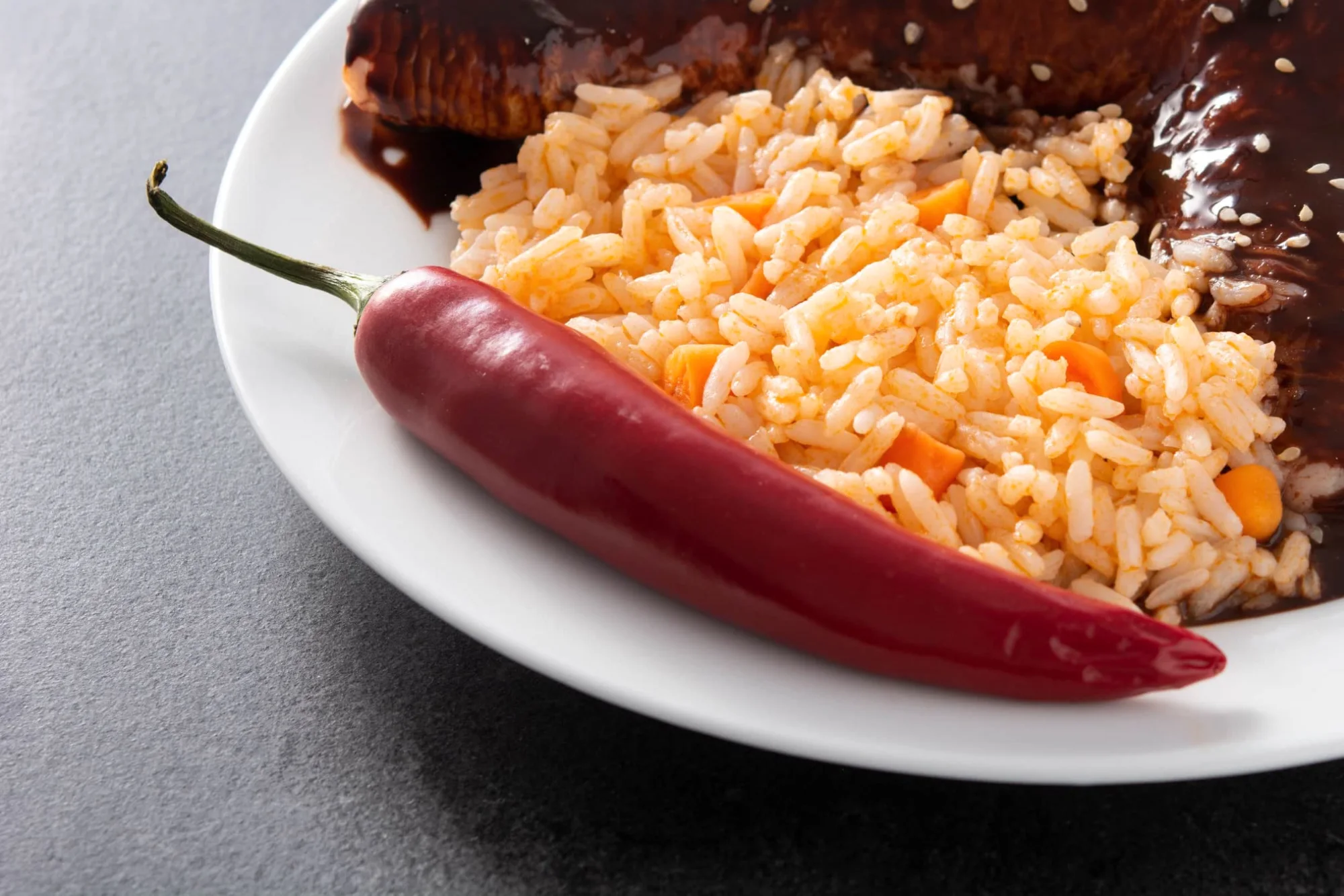
What a mole paste is
Mole is a family of Mexican sauces, not a single recipe. Most start from dried chiles and build out with some mix of seeds, nuts, bread, dried fruit, spices and chocolate. Made from scratch, that means toasting, soaking, frying and grinding, often for most of a day. A paste is the same sauce taken nearly to the end and stopped before the broth goes in, so it keeps as a thick block.
You finish it at home. The paste dissolves into broth over medium heat, and the broth decides how thick the sauce ends up. That is why a 1.1 lb bag (455 g) feeds a table: the paste is concentrated, and the labels ask for two parts of broth to each part of paste, so the sauce ends up about three times the paste.
We have four moles on the pantry shelf, all in the same 1.1 lb bag. One comes from Xico, a town in Veracruz with its own mole. The other three come from Puebla, the state whose name is in the best known mole of all.
Four moles, two states
The four YERBERO moles
| Mole | Made in | Taste, as described | What the bag lists |
|---|
| Mole Xico | Xico, Veracruz | Sweet and spicy | Mulato, guajillo and ancho chiles, salt, plantain, sesame, onion, Mexican chocolate, thyme, lard, cloves, cinnamon, garlic, anise, crackers, black pepper, peanuts, raisins |
|---|
| Mole poblano | Puebla | Rich, with hints of dark chocolate and a smoky edge | Tomatoes, tomatillos and peppers are named. Read the full label on the bag. |
|---|
| Mole almendrado | Puebla | Savory, with a touch of sweetness | Ancho, pasilla, mulato and guajillo chiles, almonds, toasted bread, tomato, onion, garlic, cinnamon, cloves, cumin, dark chocolate |
|---|
| Mole ranchero | Puebla | Spicy | Chile peppers, spices and chocolate are named. Read the full label on the bag. |
|---|
Mole Xico is the sweetest of the four on paper. Plantain and raisins sit in its list next to the chiles, with sesame, peanuts and Mexican chocolate behind them, and anise and thyme give it a scent the Puebla moles do not share. If you like a mole that leans toward dessert spices, start there.
The almendrado swaps much of that for almonds and toasted bread, which thicken the sauce and give it a nutty body. It lists four chiles: ancho, pasilla, mulato and guajillo. The poblano is the one most people picture, dark and chocolate-scented. Last comes the ranchero, the hot one, made for pouring over food that can stand up to it.
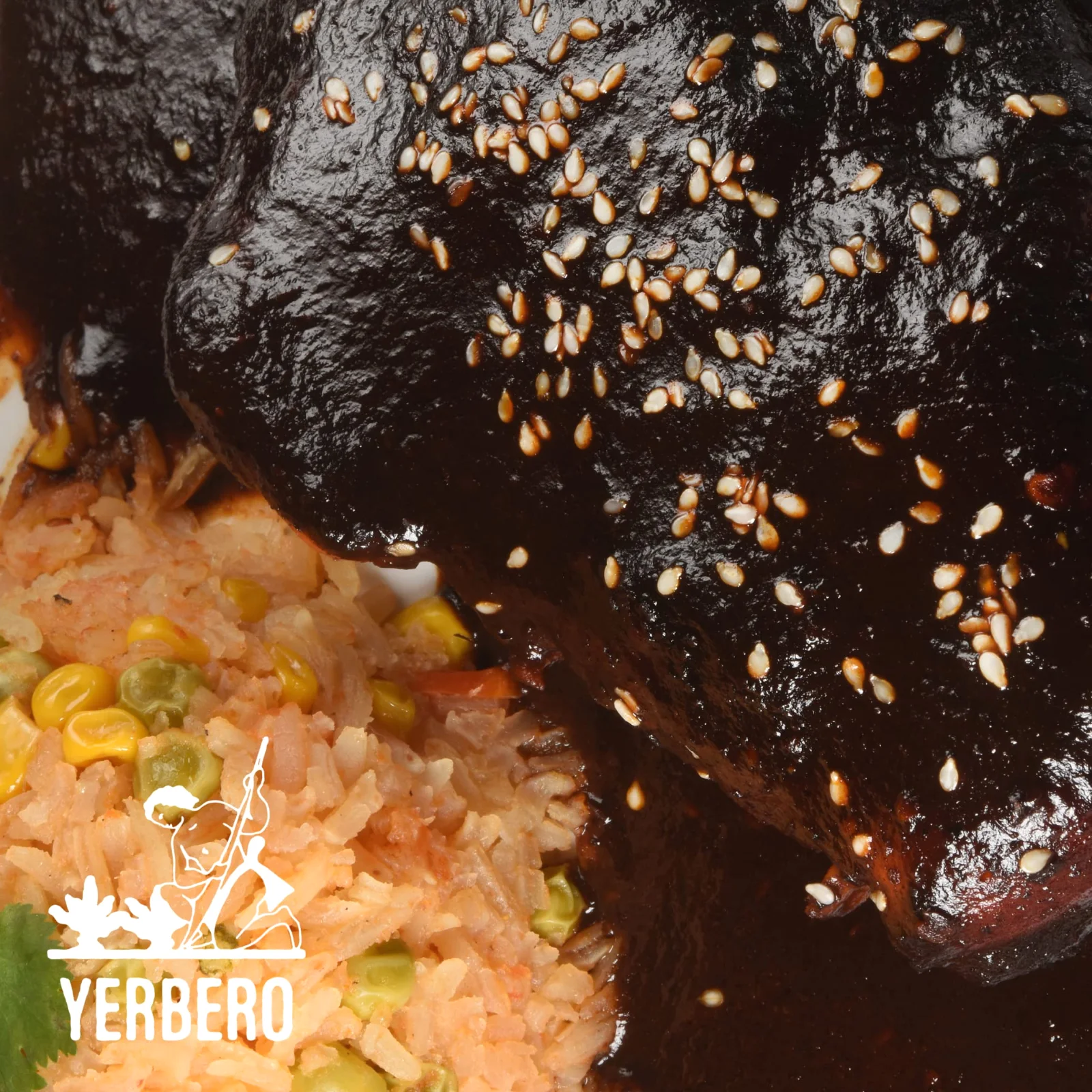 Mole up close on a chicken leg, with sesame seeds over the top and rice underneath.
The method on the bags
All four labels print the same preparation, and it takes a few minutes of stirring. Use one part paste to two parts broth: chicken, beef, vegetable, or plain water. The labels say to add more broth to taste, so read the ratio as a starting point.
- Measure the paste you need for one dinner and twice as much broth.
- Warm the broth in a wide pot over medium heat.
- Add the paste and break it up with a wooden spoon so it dissolves evenly, stirring all the time.
- Once it has dissolved, add broth a splash at a time until the sauce is as thick as you like.
- Keep stirring 4 to 5 minutes more, then add cooked chicken and let it heat through before you serve.
The labels of the poblano and the ranchero also carry a warning: both contain peanuts. The ranchero, the hot one, goes over grilled chicken, tacos, rice and beans, and it also works as a marinade for meat before it goes on the grill.
How to thin it
Thickness is the one thing you control, and it changes as you cook. A mole that looks right in the pot tightens as it cools on the plate, so stop a little thinner than you think you want. The test most cooks use is the spoon: dip it, turn it over and draw a finger across the back. If the line holds, the sauce is ready.
- Use broth, not water. Chicken broth is the usual choice. For pork, use the water the pork cooked in.
- Add liquid a splash at a time and stir until each splash disappears before you add the next.
- Keep the heat at medium, as the labels say, and never stop stirring. Chocolate and the sugar in plantain and raisins scorch quickly on the bottom of the pot, and a burned taste spreads through the whole batch.
- Many cooks fry the paste for a minute or two in a spoonful of oil or lard before the broth goes in. It deepens the color and wakes up the spices. Stir the whole time.
- Taste for salt at the end. The Xico paste already lists salt, so add more only after the sauce is the right thickness.
A wide pot works better than a tall one, since more surface means faster, more even melting and less risk of a scorched center. Use stainless steel or enamel. A traditional glazed clay cazuela is beautiful, but the California Department of Public Health warns that leaded glaze on imported or handmade pottery can pass lead into food cooked or stored in it. The herb safety page lists that source in full.
What to serve it with
Chicken is the classic partner. Poach bone-in pieces in water with onion and garlic, keep the broth, and use that same broth to thin the mole. Turkey is the festive version, and pork and beef both carry the sauce well. The poblano is described as working with vegetables too, and a plate of roasted squash or potatoes under mole makes a full meal without meat.
- Rice: Mexican red rice is the usual side, and it soaks up the sauce that runs off the chicken.
- Tortillas: warm corn tortillas on the side, or rolled around shredded chicken and covered in mole for enmoladas.
- Beans: a pot of frijol mayocoba cooked soft, or refried, sits well next to mole on the same plate.
- Sesame: toast a spoonful of sesame seeds in a dry pan and scatter them over the plate just before it goes to the table.
- Leftovers: shredded chicken in mole fills tacos, tortas and tamales the next day.
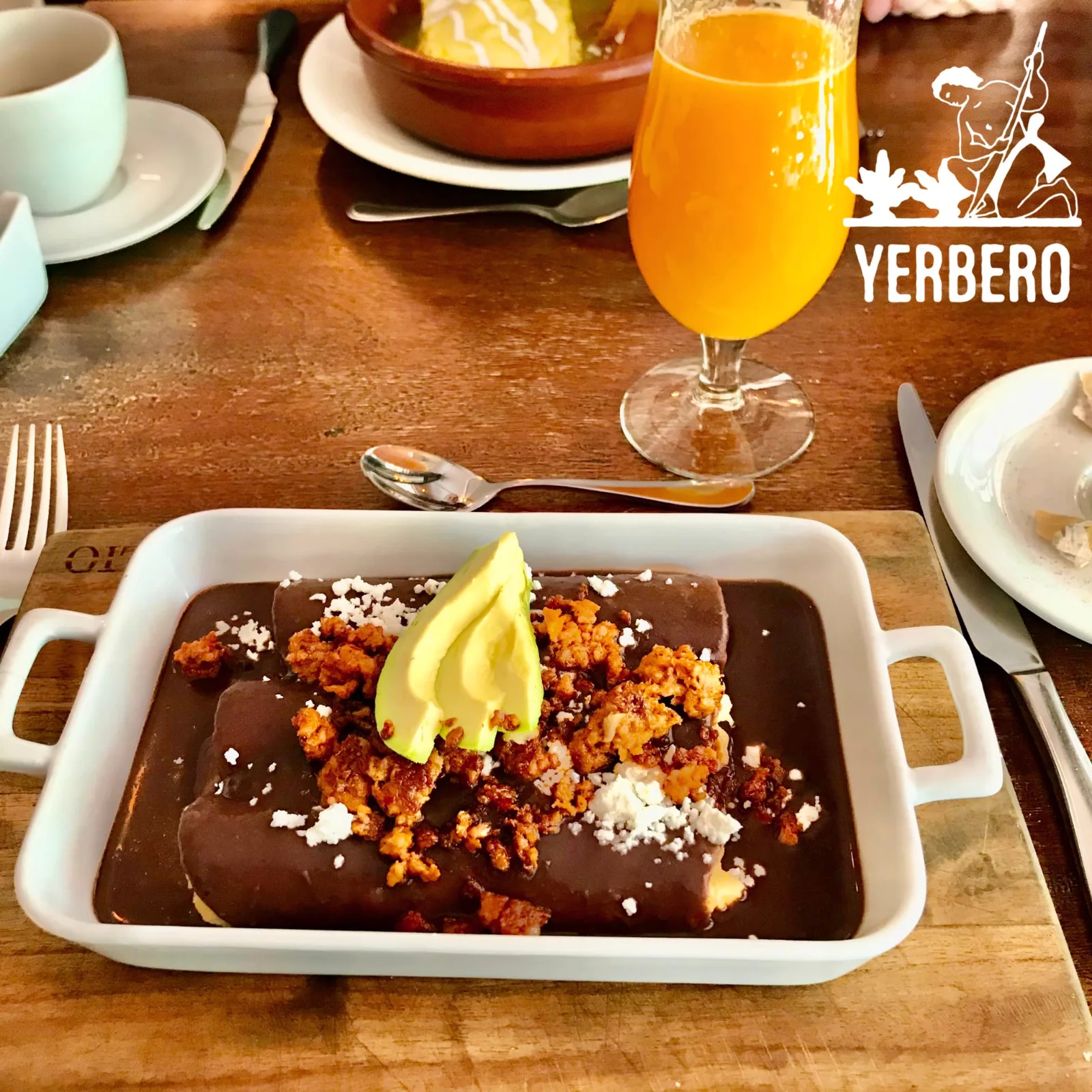 Tortillas under mole, finished with crumbled cheese and avocado, the way enmoladas often come to a breakfast table.
Allergens on the label
Mole lists are long, and several common allergens hide in them. Read the bag before you cook for anyone with a food allergy. The notes here tell you what to look for, but the label in your hand has the last word.
- Mole Xico lists peanuts and sesame seed. It also lists crackers, which means wheat. It contains lard, so it is not vegetarian.
- Mole almendrado lists almonds. It also lists toasted bread, which means wheat.
- Mole poblano and mole ranchero: both labels warn that the paste contains peanuts. Read the full ingredient list on the bag for sesame and wheat before you serve.
If you cook one mole for a mixed table, keep the serving spoon in its own pot and make the sauce first, before you handle other dishes. A little peanut or almond on a spoon travels a long way. For a guest who avoids wheat, check the label of the poblano and the ranchero rather than assuming either is wheat free.
Keeping the paste and the sauce
Follow the storage line printed on the bag, before and after you open it. Once it is open, scrape out what you need and close the rest tightly, and many cooks keep an opened paste in the refrigerator. Finished mole keeps in a covered container in the refrigerator for a few days, and it often tastes rounder on the second day. Reheat it gently with a splash of broth, since it will have thickened overnight.
Mole also freezes well in small portions. Freeze it flat in a bag, and you can break off exactly what one dinner needs. Thaw it in the refrigerator, warm it over low heat and thin it again before it meets the chicken.
The four moles sit in the YERBERO collection next to sal de Colima, cal for nixtamal and frijol mayocoba, on the shelf we keep for the Mexican pantry.
This guide is general information about dried herbs and Mexican cooking, not medical advice.