Cortezas
YERBERO barks for té and cocimiento
6 products · $7.59 to $99.99 · bags from 2 oz to 5 lb
-
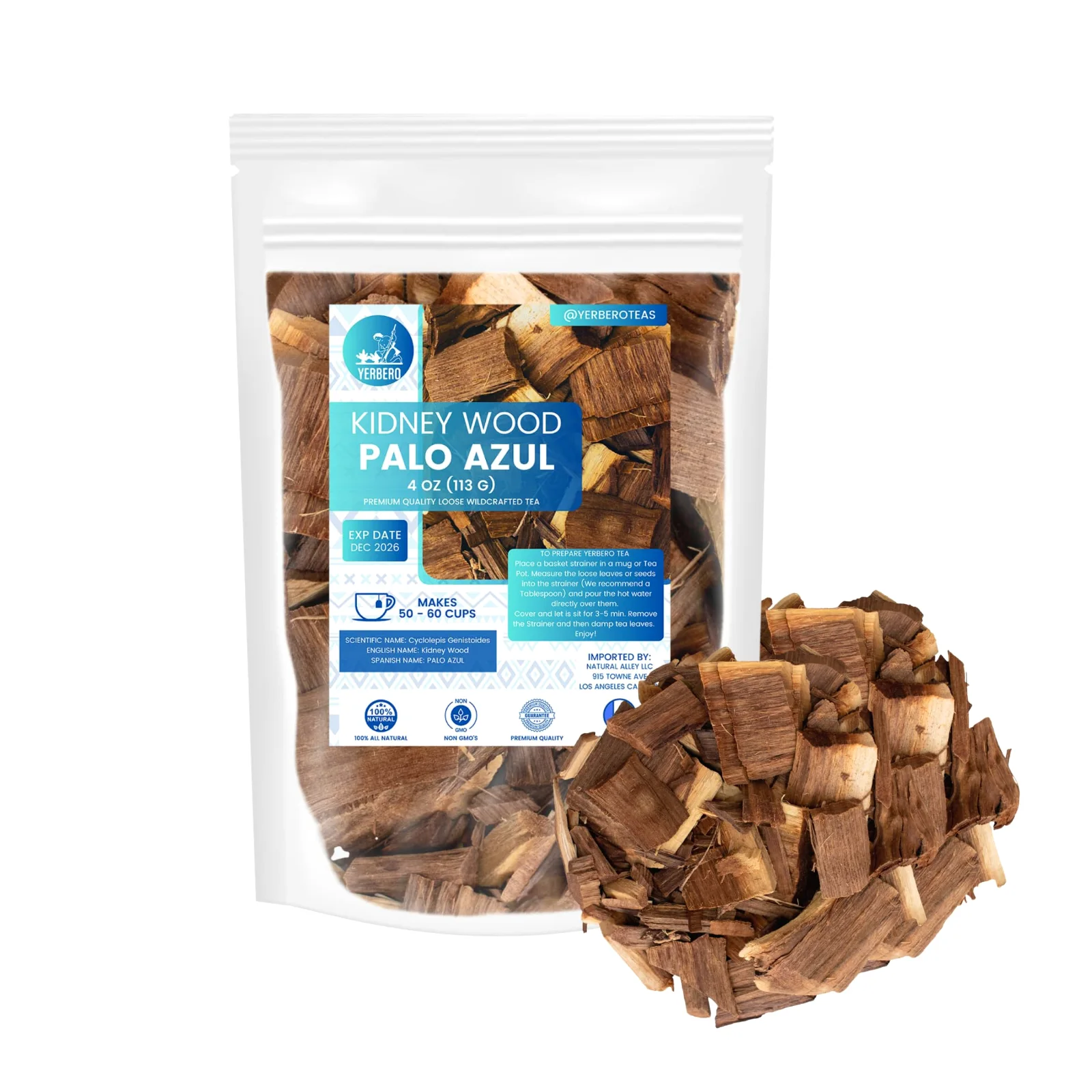
Kidneywood bark · Cyclolepis genistoides
★★★★★★★★★★4.2 (204) 4.2 out of 5 from 204 ratings
4 oz · 5 sizes
$7.59$1.90 per oz


-
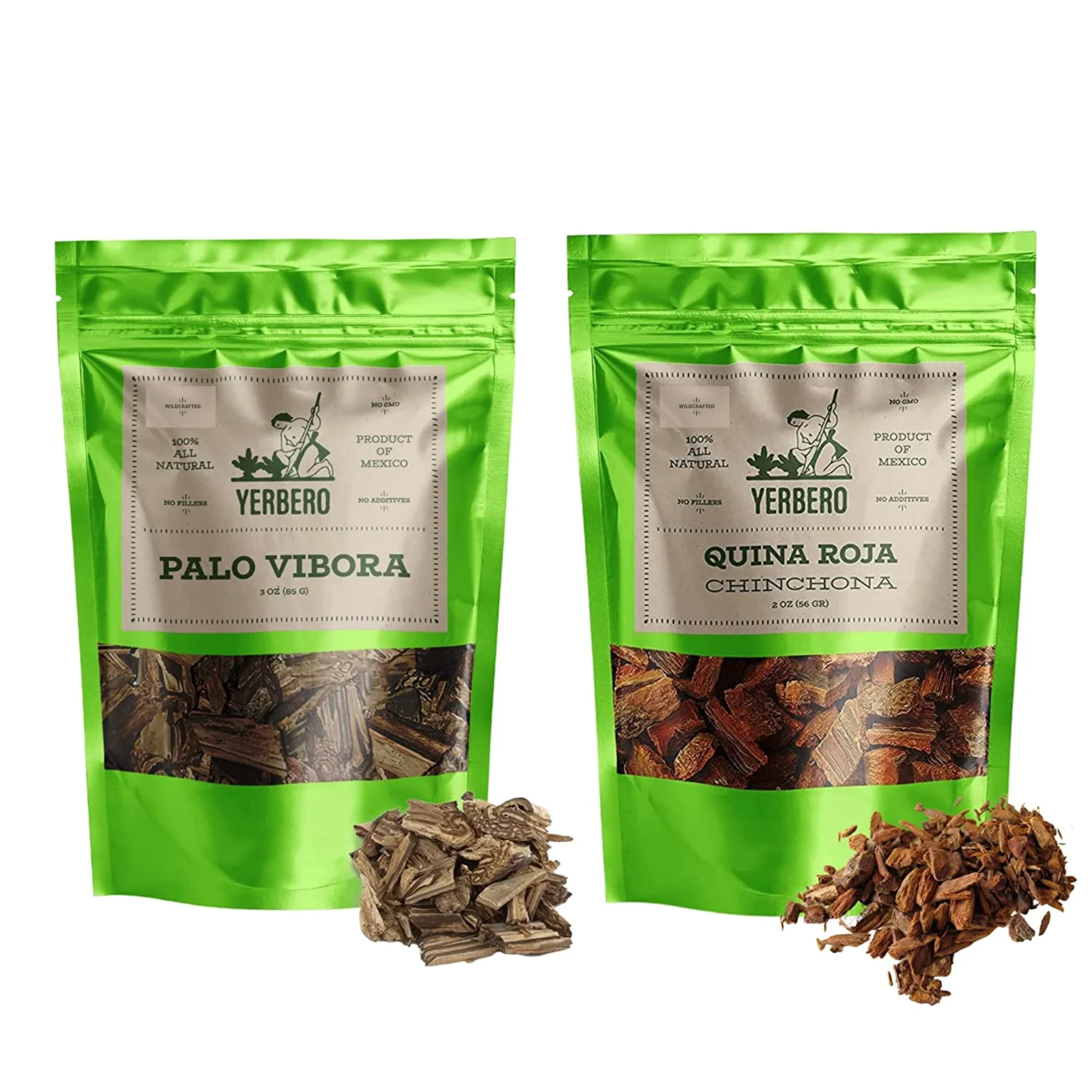
Palo de víbora and red cinchona bark · Tabernaemontana catharinensis and Cinchona pubescens
★★★★★★★★★★4.3 (152) 4.3 out of 5 from 152 ratings
3 oz + 2 oz · 4 sizes
$15.99$3.20 per oz
-
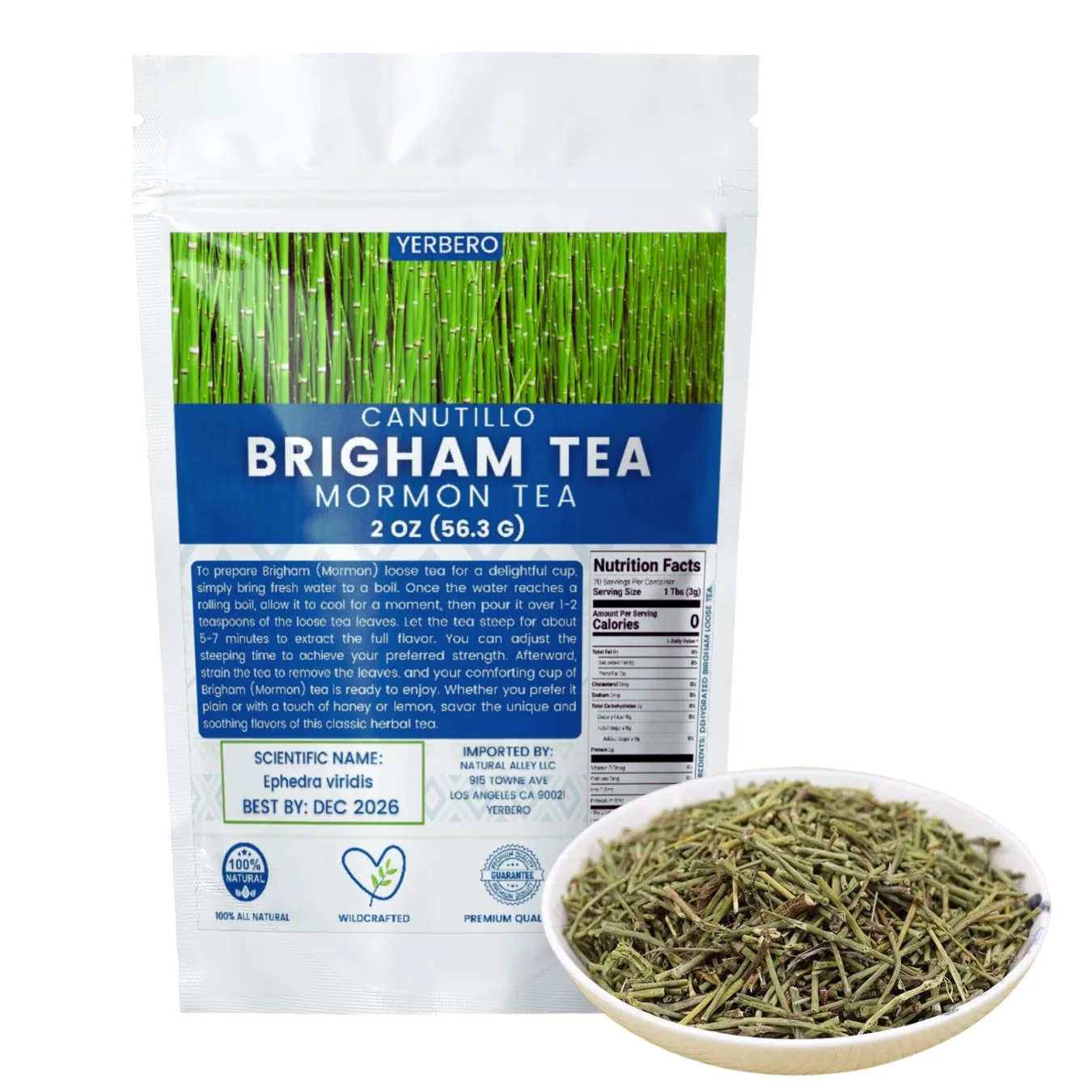
Mormon tea · Ephedra viridis
★★★★★★★★★★3.9 (46) 3.9 out of 5 from 46 ratings
2 oz · 2 sizes
$9.99$5.00 per oz
-
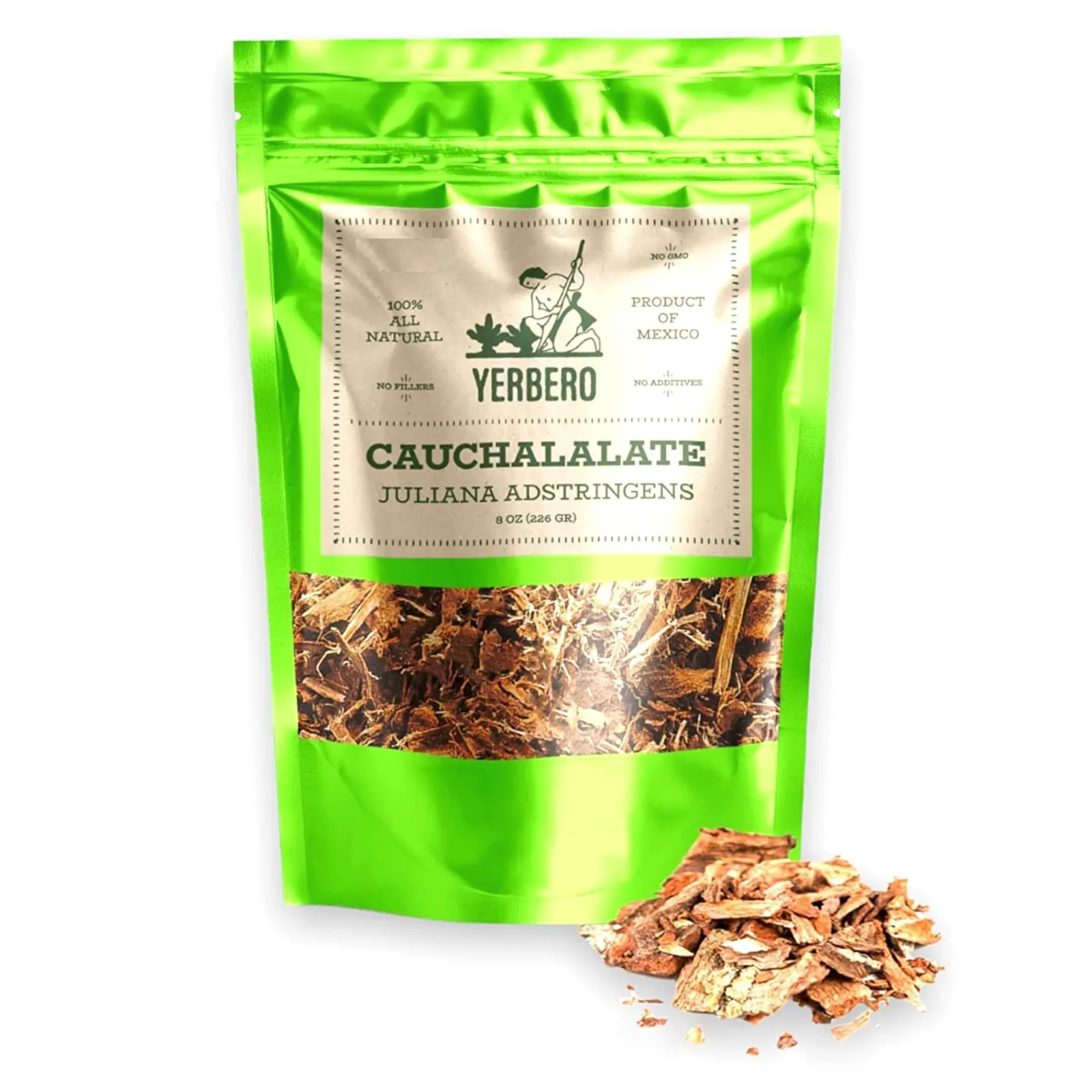
Cuachalalate bark · Amphipterygium adstringens
★★★★★★★★★★4.4 (43) 4.4 out of 5 from 43 ratings
8 oz
$8.49$1.06 per oz
-
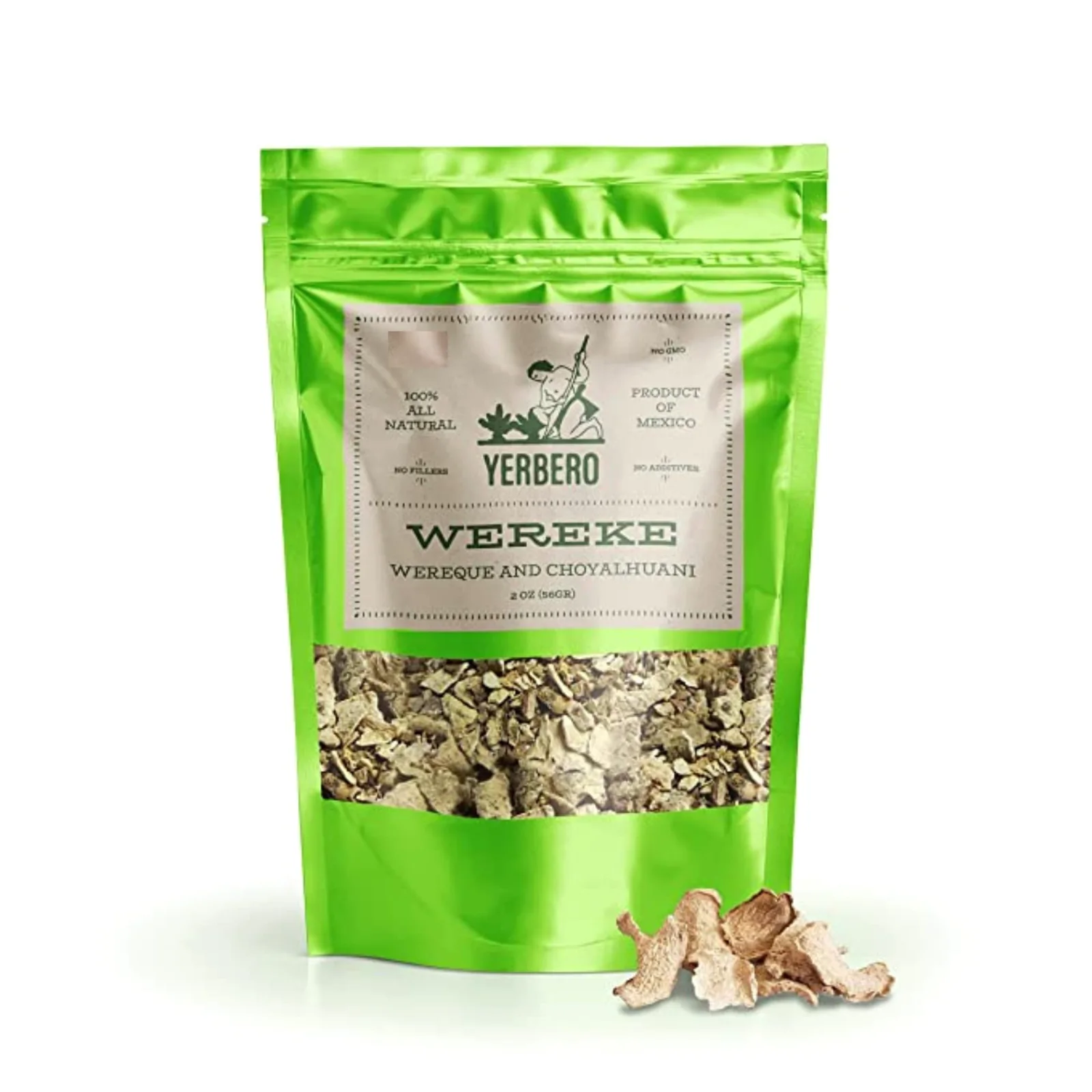
★★★★★★★★★★3.4 (19) 3.4 out of 5 from 19 ratings
2 oz
$9.49$4.75 per oz
-
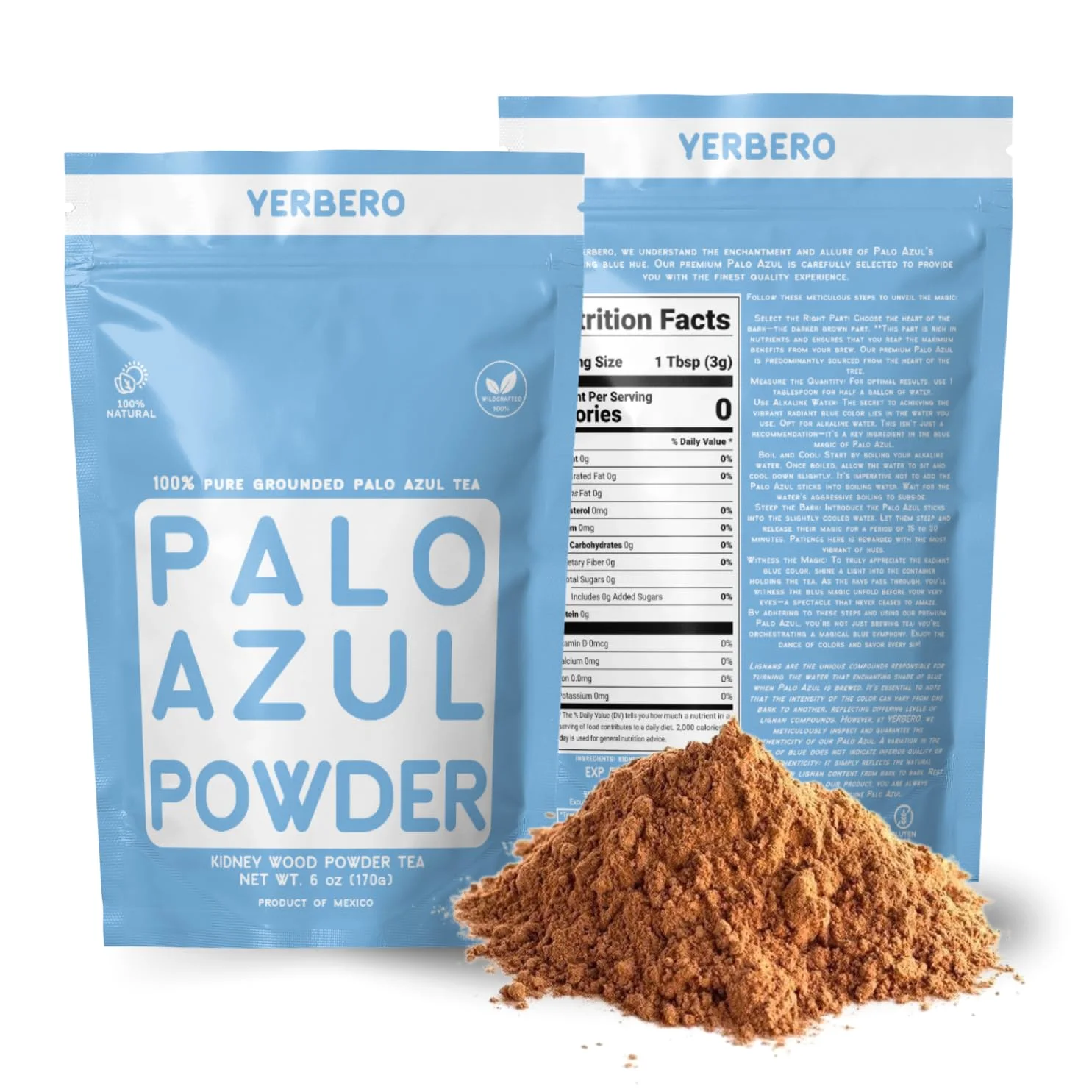
Kidneywood powder · Eysenhardtia polystachya
★★★★★★★★★★4.5 (10) 4.5 out of 5 from 10 ratings
6 oz · 2 sizes
$9.99$1.67 per oz
-
 Every herbHerbolario A–Z42 products on one index
Bark chips, roots and stems, each with the method its bag prints, and the longer boil where a product description gives one.
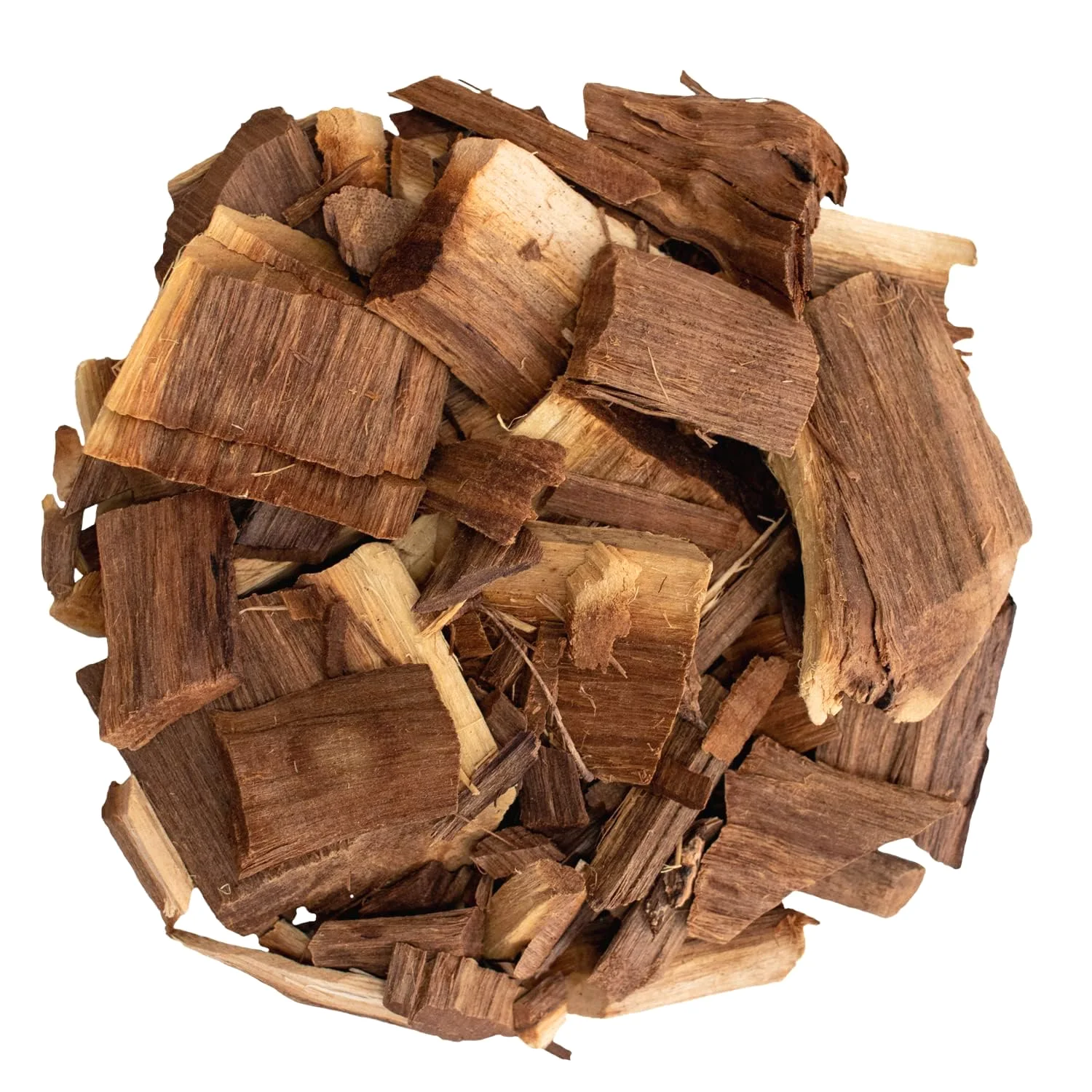 Palo azul
A strainer or a pot
Palo azul chips and the palo de víbora pair print a tablespoon in a strainer, hot water over it, three to five minutes under a lid. The powder bag asks for a tablespoon to half a gallon of water, steeped 15 to 30 minutes off the boil. The description of palo azul gives a cocimiento instead, three to five pieces boiled in water. If you boil, use a steel or enamel pot: the California Department of Public Health warns that leaded glaze on some imported or handmade pottery can pass lead into what you cook in it.
Two barks on this list carry public cautions you should read first. Canutillo, sold as Mormon tea, is a plant of the genus Ephedra, and quina roja is red cinchona bark, which federal food rules allow only as a beverage flavoring with a cap on its alkaloids. Both are on the herb safety page.
What each bark is
| Bark | Part | Form | Sizes |
|---|
| Palo azul | Bark | Bark and wood chips | 4 oz, 8 oz, 1 lb, 2 lb, 5 lb |
|---|
| Palo de víbora y quina roja | Bark | Bark and root, two bags | 3 oz + 2 oz, 4 oz + 4 oz, 8 oz + 8 oz, 1 lb + 1 lb |
|---|
| Canutillo | Stem | Cut and sifted stems | 2 oz, 4 oz |
|---|
| Cuachalalate | Bark | Dried bark | 8 oz |
|---|
| Wereke | Root | Dried root | 2 oz |
|---|
| Palo azul en polvo | Bark | Ground bark | 6 oz, 1 lb |
|---|
Questions about YERBERO barks for té and cocimiento
Why does your YERBERO palo azul turn blue?
The product description says the water takes on a blue tint as the tea stands, more so with alkaline water, and the powder bag recommends alkaline water for the blue color. It is a color you see in the glass, not a sign of strength.
Can you steep YERBERO bark instead of boiling it?
For several of them that is what the bag asks. The palo azul chips bag and the palo de víbora and quina roja bags print a tablespoon in a strainer under hot water, covered three to five minutes. Cuachalalate and wereke bags print no method, so the ratio is yours to set.